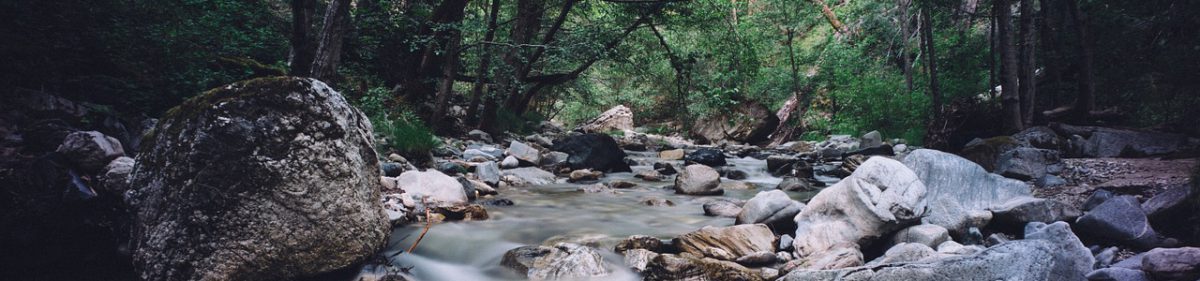
My in-laws are snowbirds. Every year, they drive down to Florida soon after Christmas to spend three months and miss the worst of the snow. Which makes me think that the term should be sunbirds rather than snowbirds, but they didn’t ask me. I think my husband planned to do something similar when he retired, but he’s slowly come to realize that if he does, it’s going to be by himself. There’s no way that I’m leaving the mountain. Not on purpose.
It’s not just the changing of the seasons, although watching the leaves bud, burst, color, fall, and then sleep until it begins anew is still one of my favorite passive pastimes. I’m not personally that crazy about snow for more than a few days, but I think the need to be part of the cycle is just as important. It begins with winter. I’m less active – although I probably do more exercise programs – but the amount that I wander over and around the mountain is less. It’s a time for me to rest and recuperate. To listen to the hush of the forest.
Come spring, I hear the twitter of birds around my house, and then the annual discussion between family and friends as to when the last frost will happen. When will it be warm enough to hunt morels? When will the plant sales begin? When will you sow lettuce and plant onions? Do you plant potatoes in the dark of the moon? Personally, I like my grandfather’s response when asked that question — he planted taters in the ground. My point is that we’re aware of the subtle changes in nature, ready to get those gardens tilled, to fill up the hummingbird feeders, and to cover the fruit trees to protect them from the slightest danger of frost.
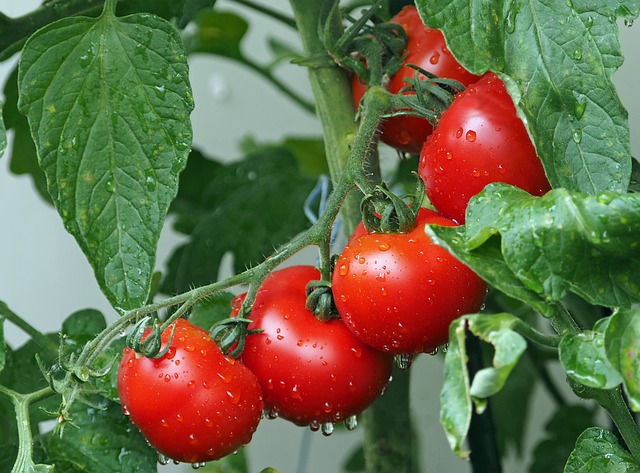
Now, we’ve moved out of spring and are sliding into summer. The end of May was strawberry season. Cherries are always ripe around a friend of mine’s birthday, June 15. Soon after are the raspberries, and then around 4th of July, it’s the blackberries. When will the squash harvest go from being a boon to a headache as we get overwhelmed from the bounty? The jars are washed, the canners are dusted off, and the empty cellar shelves go from bare to a garden rainbow of color – beans, corn, tomato, and fruit. Some out-of-towners don’t get it, why put in all that effort? But a Kroger tomato (picked too early so it looks like the right color) tastes a little bland, compared to one picked off the vine, wiped a little on your shirt, and then either eat it like an apple, or slice it onto white bread. Smack ya’ mama, it’s so good.
Things should slow in the fall, but really, it’s the busiest time of the year. Finishing up the harvest, putting the garden beds to sleep, tidying up, and watching as some of the birds lift up and away for migration.
And then we are back into winter. Time for rest.
What I’ve described has only really touched on gardens. But there is so much more. The animals change. I used to think that we were separate from them. But the swallow building a nest in my porch roof has made me part of her environment. If there’s a nest and babies, I’m careful to avoid it. On the flip side, we have hunting season and I’m never one to turn away some deer meat. And my life revolves around what is needed for our beehives – those little ladies will tell me when a storm is coming long before the meteorologist.
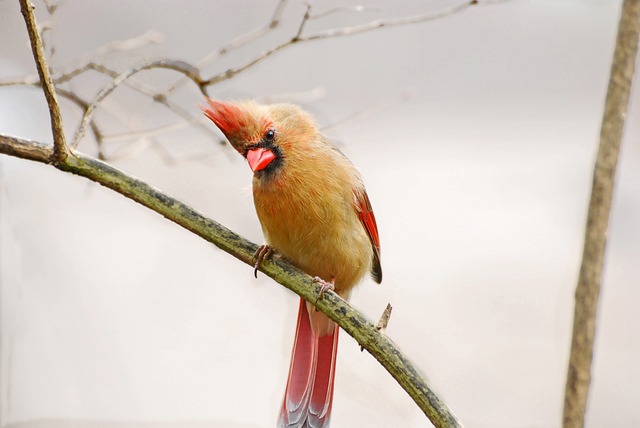
Mother Nature whispers to me every day in all seasons. There’s more out my window than just a pretty view. The mountains are calling, and I am home. A WV bird.

 From Creek to River