This month is the annual NaNoWriMo, National Novel Writing Month. Twenty or so years ago, a group of people decided to try to write a novel (a goal of 50,000 words) in 30 days in the month of November. (www.nanowrimo.org). Since then, it’s become a global event and I’ve attempted it quite a few times (once successfully).
And every time that I tackle this challenge, I find that I become extremely productive. Not at writing – but at finding all kinds of ways to avoid sitting at my desk and writing the words.
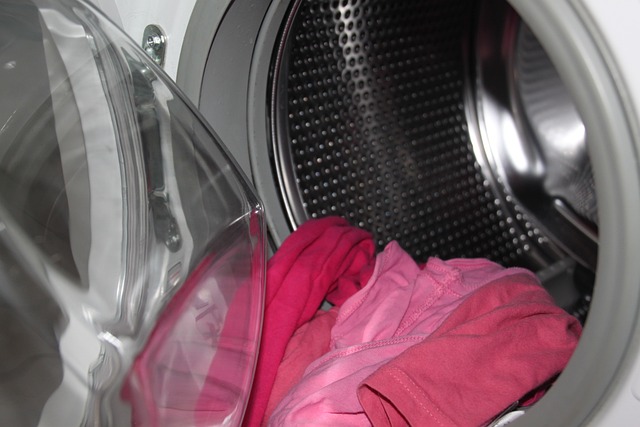
I sit down at my designated time, and then I think, let me just put the laundry in the washer. It’s a 30-second job. Wow, those dishes are stacking up, let me wash those before I start or I’ll never be able to concentrate. Let me pay the bills, build the prop for the theater performance, practice some dance steps, write the menu for the weekly meals, and help my daughter with her homework. All these things need to be done, but they could wait half an hour or more. Even now, here I am writing this blog piece rather than working on my novel.
I love to write. I love coming up with ideas for short stories. I love crafting an ending that keeps you, the reader, wanting more. But for some reason, the depth and creation of an entire world and a full-length novel gives me grief. Am I writing cliches? Am I writing a character that no one is going to love (or hate)? If I mention that the character loves spicy food in chapter 2, will I remember it in chapter 22?
I’m an extremely organized person (not counting my craft room) so I like having everything laid out and plotted – which is great for a short piece of writing. But when I try to do it for a novel-length piece, I find myself getting bored with knowing what’s going to happen in advance. And if I’m bored, I know the reader will be as well. I thought, meh, if it isn’t working for me to be a plotter, maybe I try being a pantser. I have a general idea of where the characters need to go, and Day 3 of NanNoWriMo, it seems to be working.
I sent a text to a writer friend expressing my self-doubts and he repeated the advice that he’s given to my writers’ group on multiple occasions. “Get it on paper. Doesn’t have to be correct or even in order. Whatever scene comes, let it flow. You can edit it later.”
It was such great advice that I decided to share. Hope it helps some fellow writers as well. And now that my typing fingers are warmed up, let me get back to chapter 3 of my novel.


 From Creek to River